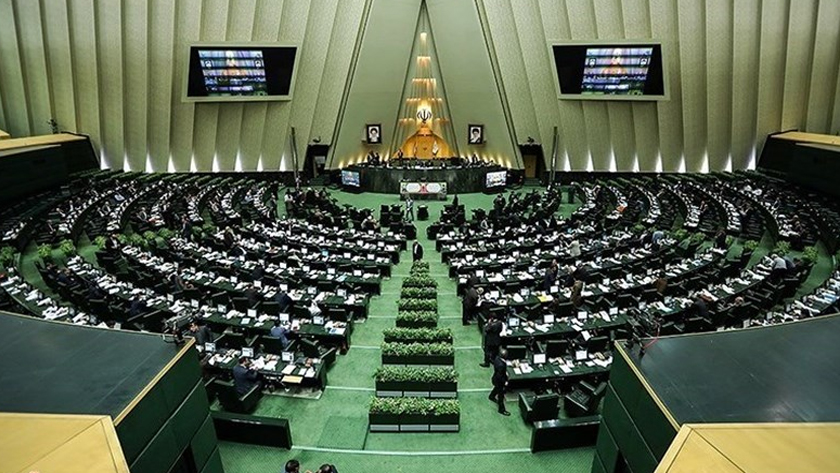

Iran’s parliament has become irrelevant since the war, as authority shifts toward the Islamic Revolutionary Guard Corps and major decisions move behind closed doors during the unresolved leadership transition.
Lawmakers continue debating inflation, corruption and economic policy, but many now openly question what power the Majles still holds. Former MP Gholamali Jafarzadeh Imenabadi argued that officials are detached from Iranians and said parliament has neglected the economic crisis. Citing parliamentary research, he claimed fewer than seven percent of resolutions over the past two years addressed economic issues despite soaring prices and worsening living conditions.
He also criticized Speaker Mohammad Bagher Ghalibaf for taking on a diplomatic role while parliament’s oversight duties weakened.
Former conservative MP Hamidreza Taraghi offered a different explanation, blaming President Masoud Pezeshkian’s government and the Central Bank for inflation and weak economic management. He also argued that parliament’s constitutional limits prevent it from introducing spending measures without identified funding.
Despite their disagreements, both accounts reflect a deeper political shift. Since the war, the IRGC and the power center surrounding Mojtaba Khamenei have gained influence, while parliament, the presidency and other formal institutions have been pushed further from meaningful decision-making.