By using this site, you agree to the Privacy Policy and Terms of Use.
Accept
GoldmanGoldmanGoldman
  • Israel
  • Gaza
  • Judea & Samaria
  • Iran
  • Middle East
    • Lebanon
    • Syria
    • Iraq
    • Jordan
    • Egypt
    • Türkiye
    • Gulf & Arabian Peninsula
      • Bahrain
      • Kuwait
      • Oman
      • Qatar
      • Saudi Arabia
      • United Arab Emirates
      • Yemen
    • North Africa
      • Algeria
      • Libya
      • Morocco
      • Tunisia
  • USA
  • World
    • Africa
    • Americas
    • Asia-Pacific
    • Europe
  • Terrorism & Extremism
  • Explainers
    • Claims & Context
    • Conflicts & Timelines
    • Groups & Organizations
    • Israel & Zionism
    • Jewish History & Identity
    • Military & Weapons
Reading: Iran’s Parliament Fades Further From Power After War
Share
Notification Show More
Font ResizerAa
GoldmanGoldman
Font ResizerAa
  • Israel
  • Gaza
  • Judea & Samaria
  • Iran
  • Middle East
    • Lebanon
    • Syria
    • Iraq
    • Jordan
    • Egypt
    • Türkiye
    • Gulf & Arabian Peninsula
    • North Africa
  • USA
  • World
    • Africa
    • Americas
    • Asia-Pacific
    • Europe
  • Terrorism & Extremism
  • Explainers
    • Claims & Context
    • Conflicts & Timelines
    • Groups & Organizations
    • Israel & Zionism
    • Jewish History & Identity
    • Military & Weapons
Have an existing account? Sign In
Follow US
© 2026 Goldman. All rights reserved.
Iran

Iran’s Parliament Fades Further From Power After War

Eli Goldman
Last updated: August 5, 2026 15:05
Eli Goldman
1 day ago
Share
1 Min Read

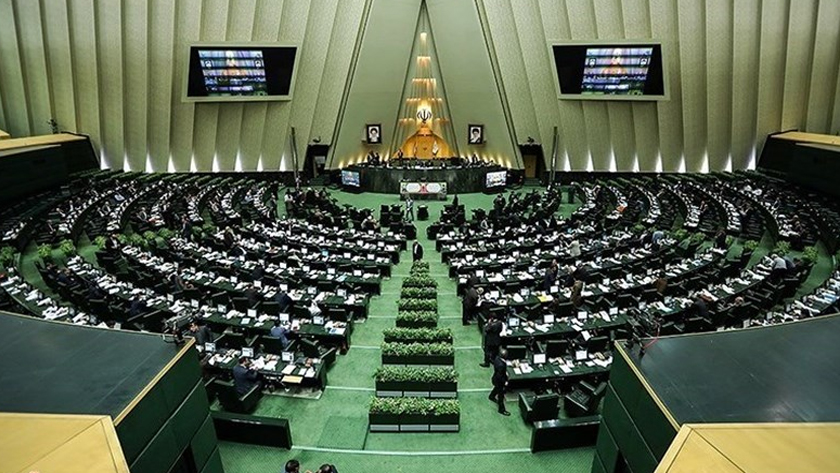
Iran’s parliament has become irrelevant since the war, as authority shifts toward the Islamic Revolutionary Guard Corps and major decisions move behind closed doors during the unresolved leadership transition.

Lawmakers continue debating inflation, corruption and economic policy, but many now openly question what power the Majles still holds. Former MP Gholamali Jafarzadeh Imenabadi argued that officials are detached from Iranians and said parliament has neglected the economic crisis. Citing parliamentary research, he claimed fewer than seven percent of resolutions over the past two years addressed economic issues despite soaring prices and worsening living conditions.

He also criticized Speaker Mohammad Bagher Ghalibaf for taking on a diplomatic role while parliament’s oversight duties weakened.

Former conservative MP Hamidreza Taraghi offered a different explanation, blaming President Masoud Pezeshkian’s government and the Central Bank for inflation and weak economic management. He also argued that parliament’s constitutional limits prevent it from introducing spending measures without identified funding.

Despite their disagreements, both accounts reflect a deeper political shift. Since the war, the IRGC and the power center surrounding Mojtaba Khamenei have gained influence, while parliament, the presidency and other formal institutions have been pushed further from meaningful decision-making.

UN Warns Iran Has Executed at Least 56 People Since March
Tehran Rejects Return to Pre-War Hormuz Order
TAGGED:Iranian PoliticsIRGCLeadership TransitionMajlesMasoud PezeshkianMojtaba Khamenei
Share This Article
Facebook Flipboard Pinterest Whatsapp Whatsapp LinkedIn Reddit VKontakte Telegram Threads Bluesky Email Copy Link
ByEli Goldman
Follow:
Independent editor and publisher covering Israel, Iran, the Middle East, terrorism and global security.
Previous Article Tehran Rejects Return to Pre-War Hormuz Order
Next Article Israel Successfully Tests Upgraded Arrow Missile Defense System

Independent news, analysis and context on Israel, Iran, the Middle East, terrorism and global security.

Information

  • Contact
  • About
  • Privacy Policy
  • Terms of Use

Find Me on Socials

© 2026 Goldman. All rights reserved.
Stay Informed
Breaking news, analysis and context on Israel, Iran, the Middle East and global security.

No spam. Unsubscribe at any time.
Welcome Back!

Sign in to your account

Username or Email Address
Password

Lost your password?